
Grave adoption conscripted private Johan Jacob Bour
In memory of conscripted private Johan Jacob Bour
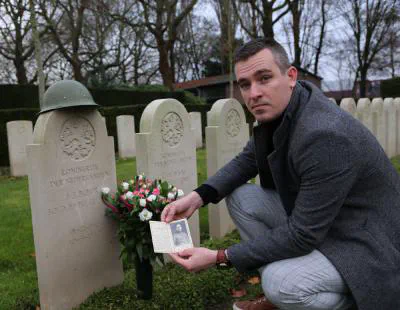
Research into private Bour pointed out that his wargrave was still located at the general cemetary “het Essenhof” in Dordrecht. After I made contact with the Dutch War Graves Commission there turned out to be no more relatives after which I was able to adopt the grave. With the adoption of the grave and the information you’ll find here, I hope to keep the memory about private Bour alive. But also the memory about the more then 2000 Dutch soldiers who got killed in action during the defence of the Netherlands in may 1940.
About private Bour
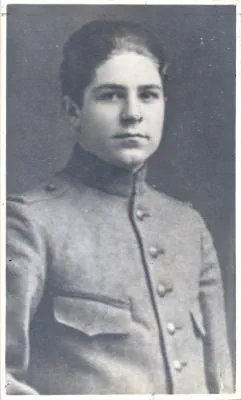
Johan’s profession was mineworker untill he was drafted as a conscript and reported for duty on the 2nd of January 1930 at the 2e schoolcompagnie van het het Korps Luchtdoel Artillerie in Utrecht. ( or the 2nd school company of the air defence corps in Utrecht ). On the 14th of June 1930 he went on leave. On the 30th of July 1934 he came back, probably for retraining because already on the 11th of August he went back on leave. On the 16th of May 1935 he married his wife Maria Katharine Bemelen in Heerlen. At that time he was 24 years old. After that he returned to duty for retraining on the 6th of July 1936, again for just a short time because he went back on leave on the 22th of July of that year. In January 1937 Johan and Maria had a son named Winand Marie Johan. In June 1938 the Air Defence Corps was expanded and reorganized because of the ever increasing threat of war. During this reorganization Private Bour was reassigned to the 2e Regiment Luchtdoel Artillerie. ( Or 2nd Air Defence Regiment ). He was then mobilized and moved to Dordrecht. Private Bour was assigned to the 85ste peloton luchtdoelmitrailleurs ( 85ste Pel.LuMi. I.E. 85th anti-aircraft machine gun platoon ). that together with the 86ste Pel. LuMi in Zwijndrecht, was organized into the air defence point Zwijndrecht. This unit was responsible for the air defence of the Zwijndrecht bridges and part of the railroad.
The events on the 10th of May 1940
The 85th anti air machine gun platoon had it’s positions at the Dordrecht side of the bridges, the 86th anti air machine gun platoon was situated on the Zwijndrecht side. Both platoons had about 20 men at it’s disposal and were equipped with four water cooled Spandau machine guns and their carbines. The 85th AA MG platoon was commanded by sergeant N Elkerhout. The 86th AA MG platoon was commanded by sergeant Hagedoorn. Both platoons and with that, the entire air defence point Zwijndrecht was under the command of lieutenant Goldsteen. Both positions had dugouts in which the Spandau machine guns were set up.
The 86th anti air machine gun platoon
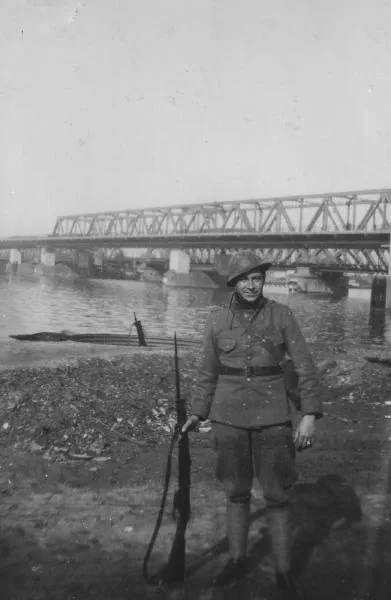
The 85th anti air machine gun platoon
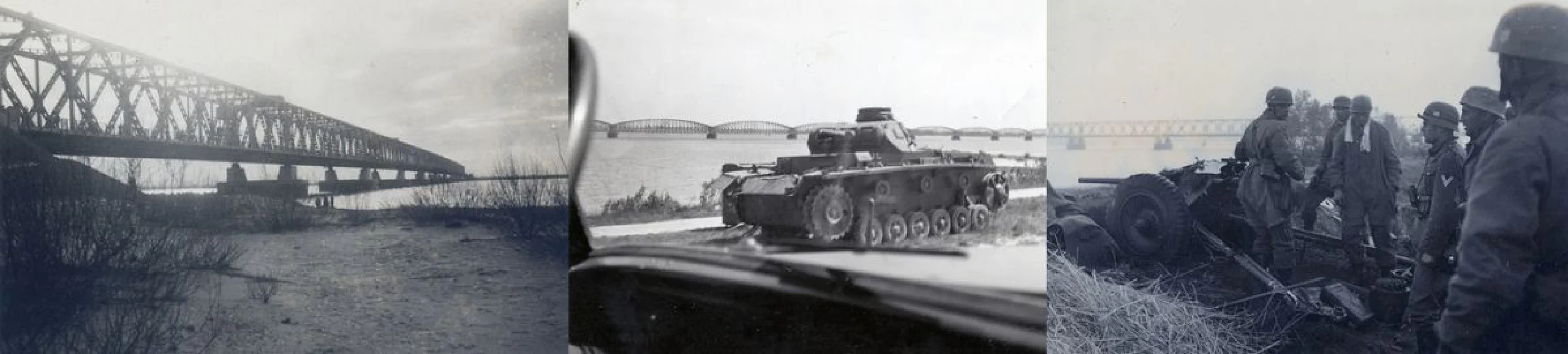
In the mean time, the 85th AA MG platoon to which private Bour was assigned to, had fired only at the passing airplanes. The matter would soon change. During the fight at the railroad, seven German paratroopers along with Oberfeldwebel Hoffmann, succeeded in reaching the road bridge. The guards on the bridge fired on them but retreated soon afterwards. Private W.A. de Leeuw assigned to the railroad troops ( Spoorwegtroepen ) was killed on the railroad bridge. The German paratroopers succeeded to cross the road bridge withouth further resistance untill they reached the curve and came under fire.They were fired upon by the machine guns of 85th AA MG platoon. However the effects were limited because the concrete wall functioned as ideal cover for the paratroopers. When Oberfeldwebel Hoffmann was reinforced by five men commanded by Oberjäger Koch, they shifted their attention to the men of 85th AA MG platoon. While one German light machine gun surpressed the positions of 85th AA MG platoon, five paratroopers advanced down the bridge across the Gravendeelse dijk in the direction of the southern side of the Dokbrug. They were now very close to the positions of 85th AA MG platoon. While the German machine gun on the bridge supressed the men of 85th AA MG platoon, the Germans down below threw hand grenades in to the dugouts of the Dutch defenders. The Dutch troops who were not suffiently trained had little to oppose this.After they disabled their machine guns, the men of 85th AA MG platoon surrendered. Private Bour was killed in action on the 10th of May during this fight. He was 29 years old. After the battle he was buried at the gerneral cemetary in Dordrecht. Private J. Wildeboer eventually died as wel as result of this battle. He was wounded on the 10th of May and died on May the 15th in the Diaconessen Hospital. He was layed to rest at the general cemetary of Schiedam. The grave of private Bour can be found on the court of honor at the Essenhof cemetary in Dordrecht: Row 1 - grave 14.
Photographs of 85th anti air machine gun platoon and private Bour
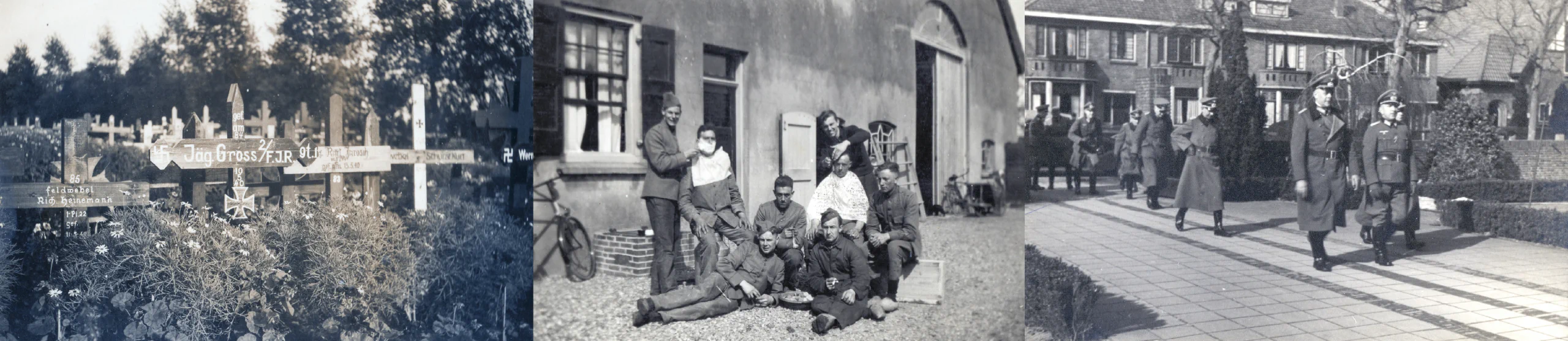
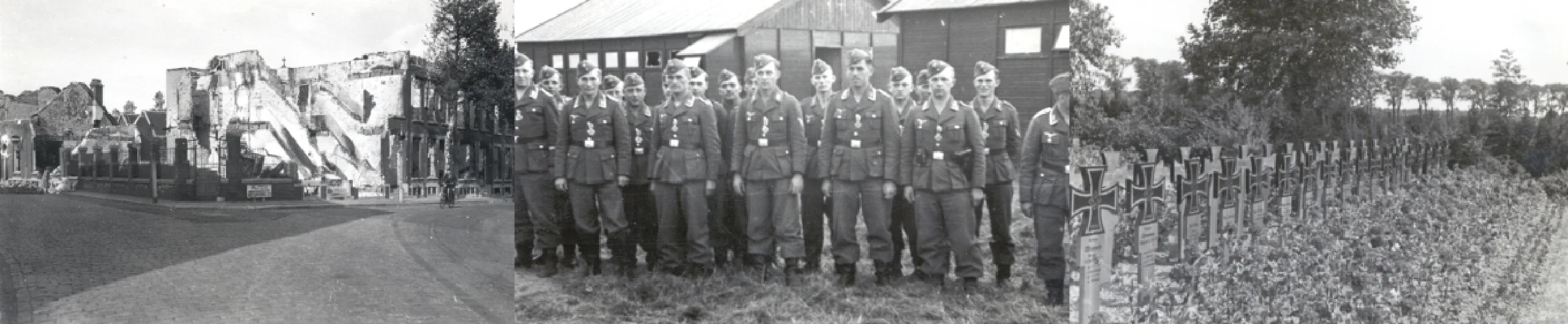
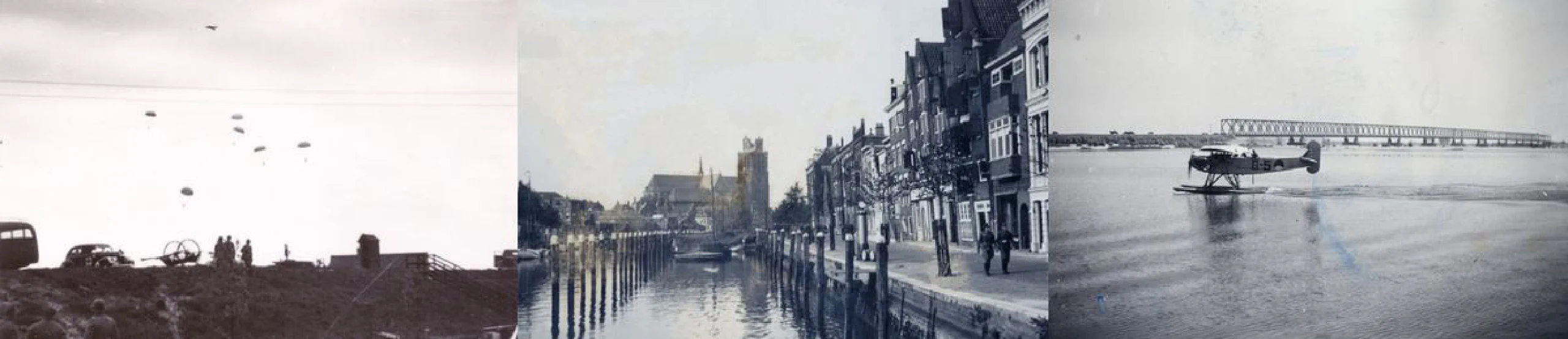
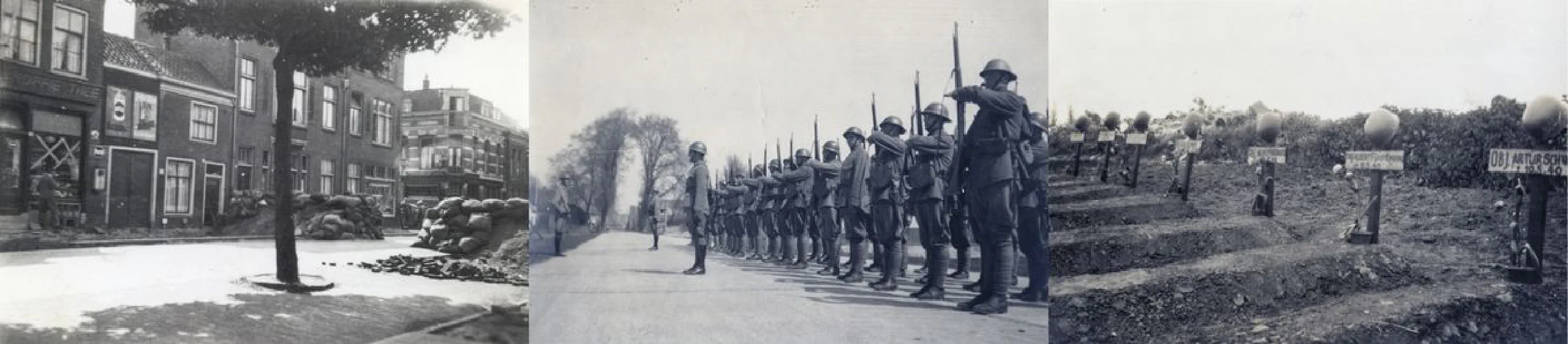
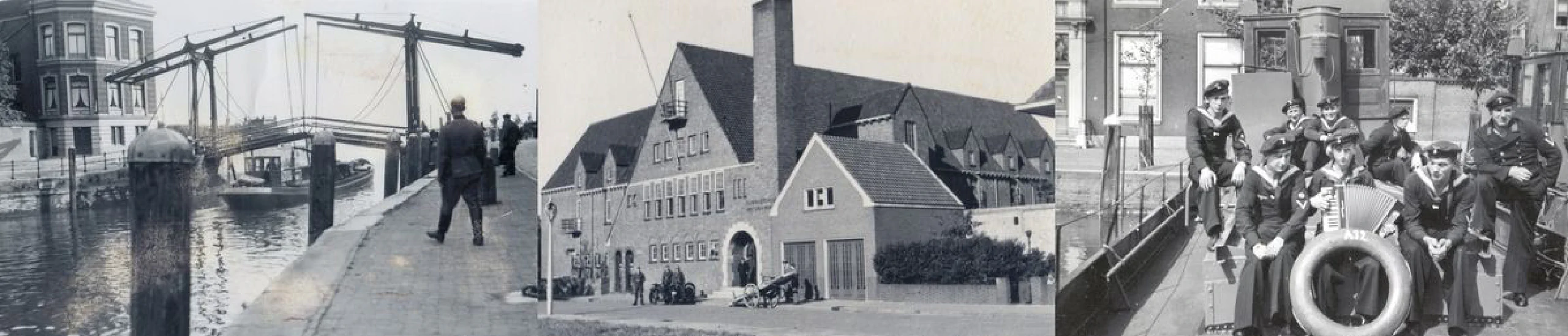
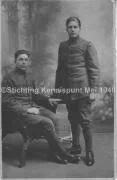
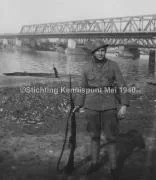
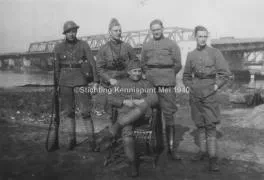
The photographs here below were kindly made available by Stichting Kennispunt Mei 1940. The photographs show private Bour and his comrades during the mobilization period as part of the air defence point Zwijndrecht. These photographs are very interesting because they show the dugouts, postitions and men of 85th AA MG platoon on the Dordrecht side of the bridge. A big thank you to the Stichting Kennispunt Mei 1940 for making these pictures available. They make the story of private Bour a little bit more complete. ( Click on the pictures to enhance ).
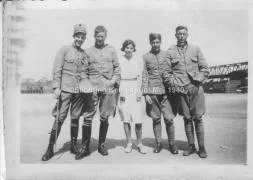
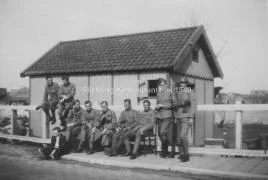
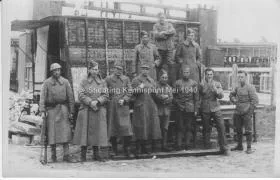
Relevant documents
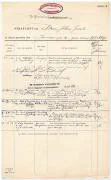
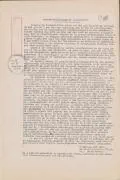
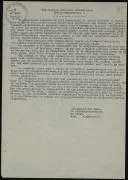
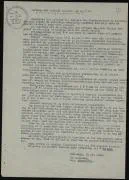
Underneath this text you will find some relevant documents in addition to the story of private Bour. The first document originates from the Defence archives. It is private Bour’s penal record. It shows information about when he took leave, but also disciplinary measures he had to endure while he was conscripted. The document also learns us that private Bour enjoyed smoking a cigarette because on the 9th of November 1939 he was reprimanded for smoking on guard duty. On the 21st of October 1939 he was disciplined with five days of light arrest because he left the compound to buy cigarettes in a shop nearby. the remaining documents are Dutch battle reports from the 409 archives. These are the battle reports from Lieutenant Goldsteen, sergeant Elkerbout and sergeant Hagedoorn. They all describe what happened at the air defence point Zwijndrecht on may the 10th 1940.
Private Bour’s deathcard
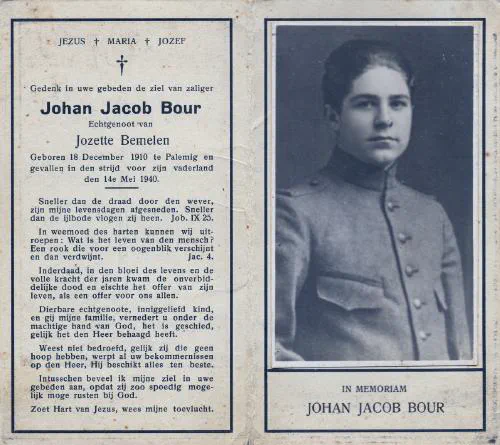
This is the deathcard in the collection of Dordrecht during the war. Deathcards were cards that before and after the war were mainly made by Catholic tradition in memory of people who had passed away. After may 1940, a lot were also produced for KIA military personnel. The cards usually had a religous picture on them or a photograph of the soldier that got killed. On the other side you could usually find the name of the soldier, his date of birth and a prayer or bible verse. Where on most deathcards usually the photograph is printed, on this deathcard is an actual photograph is placed. The KIA date on this deathcard is actually incorrect, i.e. 14th of May 1940. It is unclear why this date is printed on the card because private Bour was KIA in the early morning of May the 10th.
The grave of private Johan Jacob Bour
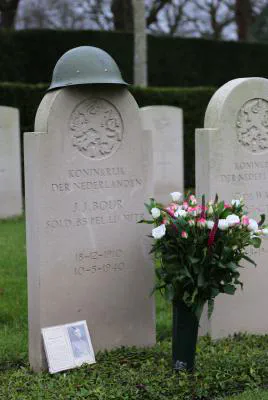
As mentioned before, the grave of private Bour is located on the general cemetary the Essenhof at the Nassauweg 200 in Dordrecht. At this location, many soldiers that got killed on the island of Dordrecht were buried directly after the fighting in May 1940 ceased. For this photograph, I temporary placed private Bour’s deathcard at his grave en on his gravestone a model 1916 helmet, as he wore in May 1940.
Througout the Netherlands are wargraves, it could be Dutch wargraves, but also graves of allied soldiers. In some cases, these graves qualify for adoption. There are schools that adopt a wargrave, but it’s also possible for ordinary people like you and me. To adopt a wargrave means to occasionally visit the grave and on occasion put some flowers next to it. It is also highly appreciated when the adopter tries to research the history and the story of the fallen soldier. It is possible to publish this story at the website of the Dutch War Graves Commission. Adopting a wargrave is free of charge. Would you like to know more about adopting a wargrave? Feel free to contact the Dutch War Graves Commision: Oorlogsgravenstichting-Adoptie . For more information regarding the wargraves in the Dordrecht region I am happy to refer you to the wargraves list on this website. The list contains all wargraves in the Dordrecht region with further references regarding the cause of death for all military personnel. The list can be found here: Wargraves Dordrecht region .